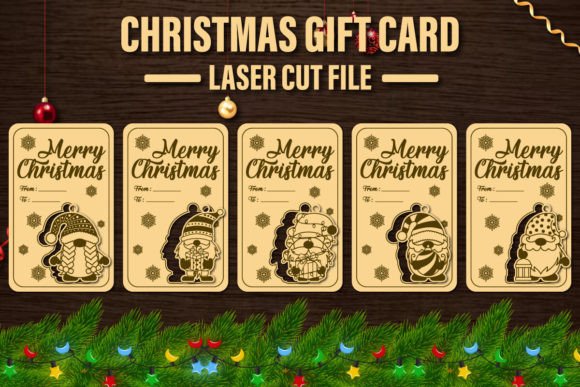
Christmas Gift Card Laser Cut File Review
When I first opened the folder for the Christmas Gift Card Laser Cut File, my initial thought wasn't about the technical specs, but rather the immediate mood it set. There is a specific energy to winter-themed assets that can make or break a holiday collection. This design carries a crisp, clean personality that feels ready for the season without being overly cluttered. As someone who has reviewed countless digital assets for real-world application, I look past the pretty preview image and ask: how does this translate when stitched onto fabric? Does it hold up under the tension of a machine? The answer lies in the practical details of how this file behaves during production.
First Impressions and Visual Personality
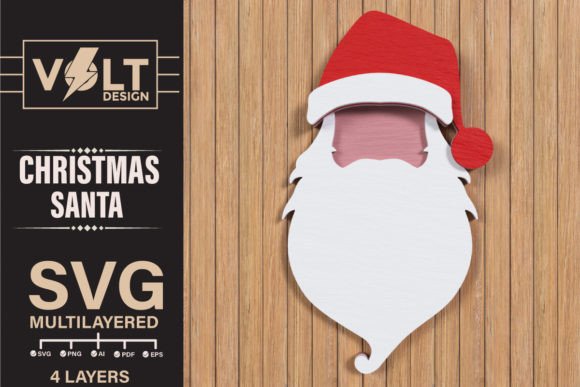
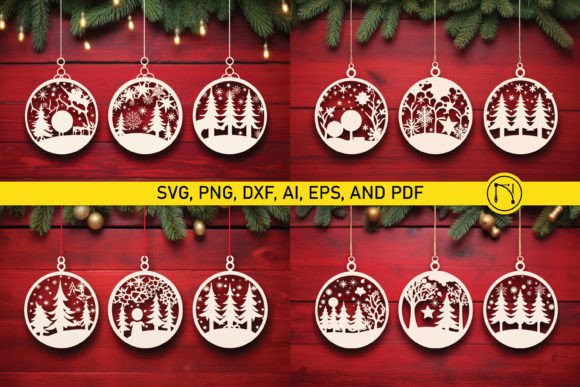
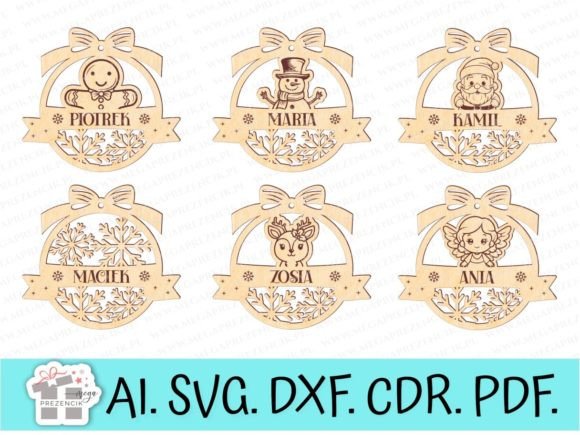
The visual appeal of Christmas Gift Card Laser Cut File strikes a balance between traditional holiday cheer and modern minimalism. It suggests a product that belongs in a boutique setting where presentation matters as much as the gift itself. The layout appears designed to be versatile, capable of standing alone on a large tote bag or serving as an accent on a smaller item like a baby onesie. The shape and theme evoke warmth and nostalgia, which are essential emotions for holiday marketing.
However, the name implies a specific workflow. While many designers assume all files are ready for direct embroidery, this description notes it is made for laser cutting machines. This distinction is crucial for any designer planning to use it as a machine embroidery design. If you intend to stitch this, you must verify if the vector lines provided are meant to be converted into stitch paths or if they represent cut-applique outlines. Understanding this difference changes everything from your stabilizer choice to your thread colors. A file intended for laser cutting often features intricate negative space that looks beautiful when cut out, but requires careful handling if you plan to replicate that effect with satin stitches or fill stitches.
Real-World Application Scenarios
Let's imagine a typical Tuesday morning in a small craft business. You are preparing orders for a local holiday market. Your goal is to create a cohesive line of handmade products that customers will love. You decide to incorporate the Christmas Gift Card Laser Cut File into a custom embroidered tote bag project. The idea is to sell these bags as premium gift carriers for other artisans' wares.
In this scenario, the design needs to perform well on canvas or cotton duck fabric. If the file includes detailed corners or tiny lettering, you have to consider the limitations of your hoop size. A standard 4x4 hoop might struggle with a wide card layout, forcing you to split the design or reduce the scale. Reducing the scale too much can turn delicate details into blurry blobs, ruining the professional look of your finished product. Conversely, if you have access to a larger hoop, the design could shine on a sweatshirt or apron, becoming the centerpiece of a festive kitchen towel or a holiday pillow cover.
I also see potential here for personalized gifts. Imagine adding a client's name below the card design using a complementary font. The contrast between the structured card shape and flowing script text could elevate the perceived value of the item. For an Etsy seller, this kind of thoughtful combination is what drives sales. Customers aren't just buying a design; they are buying the story and the quality behind the item. If the Christmas Gift Card Laser Cut File translates cleanly into stitching, it becomes a powerful asset for your brand consistency.
Navigating Technical Challenges
Not every surface is suitable for every design. When evaluating Christmas Gift Card Laser Cut File for specific projects, you must be cautious about fabric texture and stretch. Applying this design to thin, stretchy fabrics like jersey t-shirts without proper stabilization can lead to puckering and distortion. The density of the stitches required to mimic a laser-cut edge might pull the fabric unevenly, especially on curved surfaces like caps or hats.
If you plan to use this for an embroidered patch, the stability of the backing material is paramount. Patches need to be durable enough to withstand frequent washing and wear. Dense stitch areas within the design could cause thread breaks or needle deflection if not managed correctly. Furthermore, dark fabrics present a challenge. Light-colored threads might get lost in the weave of a dark navy or black fabric, reducing the visibility of the intricate details. Always test your thread colors against the actual fabric swatch before committing to a full production run.
Another critical factor is the intended output method. Since the product description highlights compatibility with laser cutting software (Ai, EPS, SVG, DXF), there is a risk of confusion regarding its embroidery utility. If you are looking for a pure digital embroidery file with built-in stitch types like running stitch or satin stitch, you may need to convert the vectors yourself. This conversion process requires a skilled eye to ensure that the angles and curves remain smooth after digitizing. Without this step, the design might look jagged or poorly defined when stitched.
Designer Notes for Success
To ensure your craft business thrives on the strength of this asset, follow these practical steps. First, always test the design on scrap fabric that matches your final project material. This simple step reveals issues with thread tension, stitch density, and fabric movement before you ruin a customer's order. Check the stitch density carefully; too much density can make the fabric stiff and uncomfortable, while too little can leave gaps that look unfinished.
Confirm your hoop size requirements early. If the design is wider than your machine's standard hoop, plan for a multi-hooping strategy or resizing. Inspect small details closely, particularly around the edges of the "gift card" shape. Tiny elements often disappear in commercial embroidery unless they are enlarged slightly or simplified. Use a high-quality stabilizer to support the fabric, especially if you are working with textured materials like fleece or heavy denim.
Don't forget to review the licensing terms. Just because you purchased a file doesn't automatically grant you the right to sell finished items made from it. Verify whether the license covers commercial use, Etsy listings, and print-on-demand services. Also, confirm if the file formats provided (PNG, PDF, DXF) are sufficient for your workflow or if you need to import them into your embroidery software to generate the necessary stitch commands.
Final Verdict on Design Value
The Christmas Gift Card Laser Cut File offers a strong foundation for winter-themed collections. Its clean aesthetic fits seamlessly into holiday embroidery projects ranging from nursery decor to boutique branding. However, its success depends entirely on how you adapt it to your specific machine and fabric constraints. Whether you are creating a unique tote bag design or a personalized baby item, taking the time to understand the file's true nature—whether it is a cut file or a stitch path—is the key to a professional result.
By approaching this asset with caution and creativity, you can transform a simple digital download into a high-value small shop product. The difference between a generic holiday item and a standout piece often comes down to the attention paid to detail and the quality of execution. Test thoroughly, choose your materials wisely, and let your design speak for the quality of your work.