Unique Impressionist Backgrounds Review
As a designer who has spent years navigating the intersection of digital assets and physical stitching, I approach every new embroidery file with a mix of excitement and skepticism. The market is flooded with generic patterns, but sometimes a specific aesthetic catches the eye and demands to be tested in the hoop. Today, I am putting Unique Impressionist Backgrounds through its paces to see if it truly delivers on the promise of artistic backdrops for real-world projects.
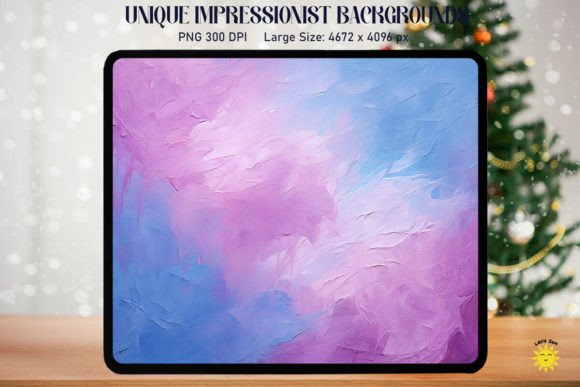
The first thing you notice about this collection is the mood. It isn't just a block of color or a repetitive geometric shape; it feels like a canvas brought to life. The brushwork designs within Unique Impressionist Backgrounds mimic the fluid motion of an artist's hand, creating a distinctive brushstroke pattern that adds texture without overwhelming the central subject. When I first opened the files, my immediate thought was how well these would translate into a finished product. Unlike rigid vector art that can look stiff when stitched, these graphics suggest movement and depth, which is exactly what we need to elevate a handmade item from "crafty" to "boutique."
Real-World Application: The Tote Bag Test
To truly understand the utility of these designs, I imagine them not just as pixels on a screen, but as they would appear on a customer's shoulder. Let's say I am preparing a custom embroidered tote bag for a local artisan fair. The goal is to create a product that stands out on a crowded table. A simple logo might get lost, but using Unique Impressionist Backgrounds as a subtle wash behind a monogram or a small floral motif changes the entire dynamic.
In this scenario, the design acts as a visual anchor. The distinctive brushstroke patterns provide a rich texture that draws the eye, making the rest of the embroidery pop. For a small business owner or an Etsy seller, this is crucial. Customers often judge the quality of a handmade product by the complexity and care put into the details. A plain background can feel cheap, but an impressionist style suggests effort and artistic intent. It transforms a standard tote bag into a piece of wearable art, increasing the perceived value and allowing you to command a higher price point.
I also envision this working beautifully on sweatshirt embroidery. Imagine a cozy, oversized hoodie featuring a small, centered graphic surrounded by the soft, blurred edges of the Unique Impressionist Backgrounds. The contrast between the structured fill stitch of the main image and the softer, more organic background creates a professional finish that looks expensive. This is the kind of detail that keeps customers coming back for personalized gifts or boutique branding.
Where Caution Is Required
However, confidence in a design must always be tempered with practical knowledge of the medium. While Unique Impressionist Backgrounds offers a stunning visual appeal, it is not a one-size-fits-all solution for every machine embroidery project. There are specific scenarios where this design requires careful handling to avoid frustration.
First, consider the hoop size. If you attempt to use these brushwork designs on a very small hoop, such as those used for baby clothes or delicate accessories, the details may become muddy. The fluid nature of the brushstrokes relies on space to breathe. In a tiny area, the threads might crowd each other, leading to puckering or a loss of definition. Always check the recommended dimensions before committing to a small project like a cap or a hat patch.
Fabric choice is equally critical. These backgrounds rely on thread colors and density to create their effect. On textured fabrics like heavy denim or bouclé, the underlying weave might interfere with the smooth flow of the brushstrokes. Similarly, on thin or stretchy fabric, the tension required to hold the dense areas of the design together could cause distortion. Dark fabrics present another challenge; if the design includes light or pastel brushstrokes, the contrast might be too low unless you use a high-quality underlay or specific thread colors to ensure visibility.
I also advise caution when placing this design near detailed corners or areas that will undergo frequent washing. High-density fill stitches, often used to render these artistic backdrops, can sometimes trap lint or wear down faster than simpler running stitch patterns. If you are creating commercial embroidery items meant for daily wear, test the durability of the Unique Impressionist Backgrounds on scrap fabric first. You want to ensure the finished product maintains its beauty after multiple cycles in the laundry.
Visual Appeal and Brand Consistency
From a marketing perspective, the impact of Unique Impressionist Backgrounds cannot be overstated. In the world of digital product sellers and creative entrepreneurs, presentation is everything. Before you even sell the physical item, you need a strong printable mockup to showcase your work. These graphics serve as excellent design assets for digital previews because they add a layer of sophistication that flat colors simply cannot achieve.
When a potential buyer sees a photo of a pillow cover or a kitchen towel featuring this background, the human brain registers it as "high-end." The artistic backdrops suggest a level of craftsmanship that builds trust. For a craft business, consistency is key. Using a cohesive set of Unique Impressionist Backgrounds across different products—like matching a tote bag, a tea towel, and a holiday gift set—creates a recognizable brand identity. It tells the customer that you have a curated vision, not just a random assortment of items.
This design also excels in the realm of personalized gifts. Whether it is a wedding gift for a newlywed couple or a nursery decor piece for a new baby, the soft, impressionistic feel evokes emotion. It feels less like a factory stamp and more like a personal touch. For holiday embroidery projects, these backgrounds can set a festive yet elegant tone, perfect for aprons or decorative pillows that guests will admire.
Practical Designer Notes for Success
If you are ready to incorporate Unique Impressionist Backgrounds into your workflow, here are some essential steps to ensure a successful outcome. First, always test the design on scrap fabric that matches your final material. This allows you to dial in the thread colors and adjust the stitch density before cutting into your best goods.
Pay close attention to the stabilizer. Because these designs often feature larger areas of coverage, a sturdy cut-away stabilizer is usually necessary to support the weight of the threads and prevent shifting during the stitching process. Do not skip this step, especially if you are working with stretchy knits or lightweight wovens.
Review the file specifications carefully. The product description mentions 01 PNG files, but for actual machine embroidery, you need the correct digitized format (such as .dst, .pes, or .exp) compatible with your specific machine. Ensure you verify the machine embroidery design compatibility and confirm the licensing terms. If you plan to sell finished items made with this embroidery file, you must know whether you have the right to do so commercially. Some licenses restrict resale, while others allow it.
Finally, inspect the small details. Zoom in on the digital preview to see how the brushstrokes interact at the edges. Sometimes, designs that look great on a monitor can have jagged edges or loose threads when stitched. Running a test in black and white can help you visualize the contrast and density without the distraction of color.
In conclusion, Unique Impressionist Backgrounds is a powerful tool for any designer looking to add depth and character to their projects. It bridges the gap between digital art and tactile craft, offering a versatile solution for everything from custom apparel to small shop merchandise. By understanding its strengths and respecting its limitations, you can create finished products that not only look beautiful but stand up to the rigors of everyday use. Whether you are a hobbyist maker or a seasoned commercial embroiderer, this design deserves a spot in your toolkit for creating standout, memorable pieces.